
7 Simple Ways to Beat Virtual Meeting Fatigue
-Janita Anderson
Back-to-back video calls. No breaks. The same four walls.
If you finish your workday more drained than when you started — even though you “just sat in meetings” — you’re not imagining it. Virtual meeting fatigue is real, and it’s a leadership problem as much as a personal one.
The good news: you don’t need fewer meetings to feel better. You just need to run meetings differently. As you consider these seven ways to be more effective, remember that as a leader, you must model what you want others to do on virtual calls.

1. Close Everything Else Before You Join
Your inbox is one tab away. The report you haven’t finished is open, too, along with several other tabs clamoring for your attention.
Multitasking in virtual meetings feels productive, but it’s actually one of the fastest ways to drain your energy and lose focus. You’re not fully present, you’re missing more than you think, and every switch in attention costs your brain energy. Close the tabs and silence the notifications. Give the meeting your full attention.
2. Make Video Optional
Cameras on might sound like a good idea, but being on video all day is like being onstage all day — and that’s exhausting for everyone.
If you run a lot of meetings, try letting participants opt in to video. Let listeners keep cameras off, and invite them to turn cameras on when they’re presenting or want to make a point. You might be surprised how much lighter the energy feels.
There are times when you’ll want everyone on camera; use good judgment in those cases.

3. Switch to Speaker View
Gallery view — all those little faces in a grid — forces your brain to process dozens of expressions at once.
Switch to speaker view so only the person talking is front and center. It’s a small setting change with an outsized impact on how much mental energy you burn through a long call.
4. Hide Yourself From Your Own Screen
Staring at yourself on camera is distracting — and subtly stressful.
Most video tools let you hide your own feed from your view while others can still see you. Turn that setting on. You’ll stop self-monitoring and be able to listen more effectively.
5. Make Meetings 25 or 50 Minutes
There’s no rule that says meetings have to be 30 or 60 minutes.
Shorten them by five to ten minutes and give people a real transition between calls. Even a few minutes to stand up, stretch, and reset makes the next meeting easier to show up for. It’s the virtual equivalent of walking from one conference room to the next — and your brain needs it.
6. Move — Even a Little
In a physical meeting, you naturally shift, look around, and adjust. On video, most people freeze.
Small movements make a big difference over a long day. Rest your eyes by briefly looking away from the screen. Roll your wrists and ankles where the camera can’t see. Flex your shoulders. If you have an adjustable desk, use it. These aren’t distractions — they’re recovery.
Invite others in the meeting to do the same.
During longer meetings, avoid eye strain by taking “eye breaks.” Ask everyone to turn off their cameras and move their eyes to another view. Use the 20-20-20 rule: take a 20-second break to look at something 20 feet away every 20 minutes. It’s a practice recommended by the American Optometric Association.
You can also take 10- to 15-minute breaks so people can get up and stretch — invite everyone to do what they need to do to get a boost of energy.

7. Suggest a Phone Call Instead
Sometimes the most effective meeting tool is the one that doesn’t require a camera at all.
A phone call demands focus on just one thing: the conversation. You can walk while you talk, which can actually sharpen your thinking. Next time someone sends a meeting invite for something that doesn’t need faces, try: “I could use a chance to stretch my legs — would a quick call work instead?” They’ll probably say yes.

The Takeaway
Virtual meeting fatigue isn’t just an inconvenience — it’s a drain on your focus, your leadership, and your team’s energy.
Pick two or three of these and start there. The goal isn’t fewer meetings. It’s making the ones you have worth showing up for.
Learn to Manage Your Energy, Lead More Effectively, and Advance Your Career
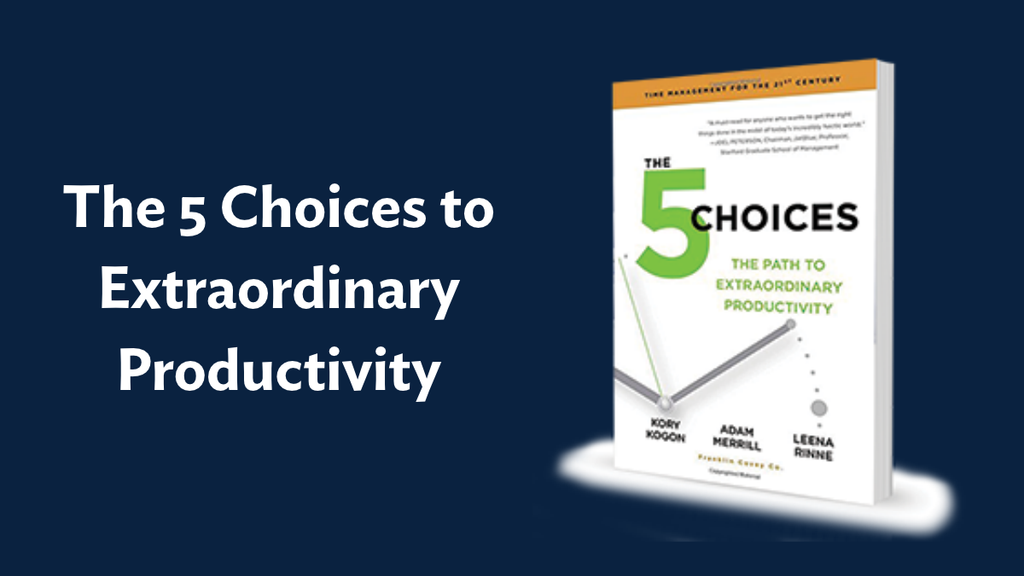
The 5 Choices to Extraordinary Productivity course at FranklinCovey Academy helps leaders make better decisions about where to spend their time and energy — including how to protect both from the relentless pull of low-value meetings. Explore FranklinCovey Academy to find this course and others designed to help you work smarter, lead better, and advance your career.
These self-paced online courses are designed to help you learn new mindsets, skillsets, and toolsets — and apply your new learning right away. At the completion of your course, you can receive an industry-recognized FranklinCovey Certificate.
To help you succeed, you’ll be paired with a personal coach to guide you in your learning and application. Your coach will help you stay on track, complete the course, and receive your certificate.
Recent Posts
- Top Ways to Find Online Training for Leadership to Advance Your Career
- Unlock Your Leadership Potential: A Comprehensive Guide to Leadership and Management Courses
- Leadership Courses for Women: Empowering Female Leaders for Career Advancement and Personal Growth
- Developing Leadership Training: Benefits, & Best Practices
- Boost Productivity: Top Tips for Choosing Productivity Courses
- 7 Simple Ways to Beat Virtual Meeting Fatigue
- 5 Ways to Stop Letting Your Emotions Run the Show at Work
- How to Receive Feedback Without Getting Defensive–Advance Your Career
- Why The Speed of Trust in the Workplace Is a Competitive Advantage
- 8 Workplace Relationship Building Strategies That Strengthen Collaboration
- 3 Types of Challenges That Motivate and Energize Your Team